
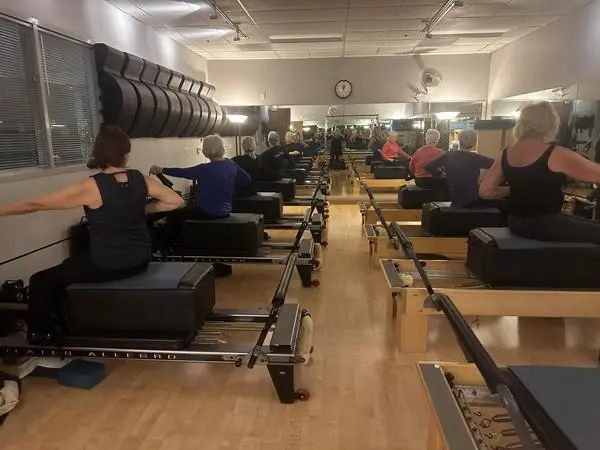
Activities of Daily Living in Pilates as Motivation
Activities of Daily Living in Pilates as Motivation by Gwen Miller We all know that Pilates is great cross-training for many activities, working on balanced muscle development, core strength, mobility and stability that are crucial for long-term health of all the joints in the body – including the spine. All of these things are facts,…
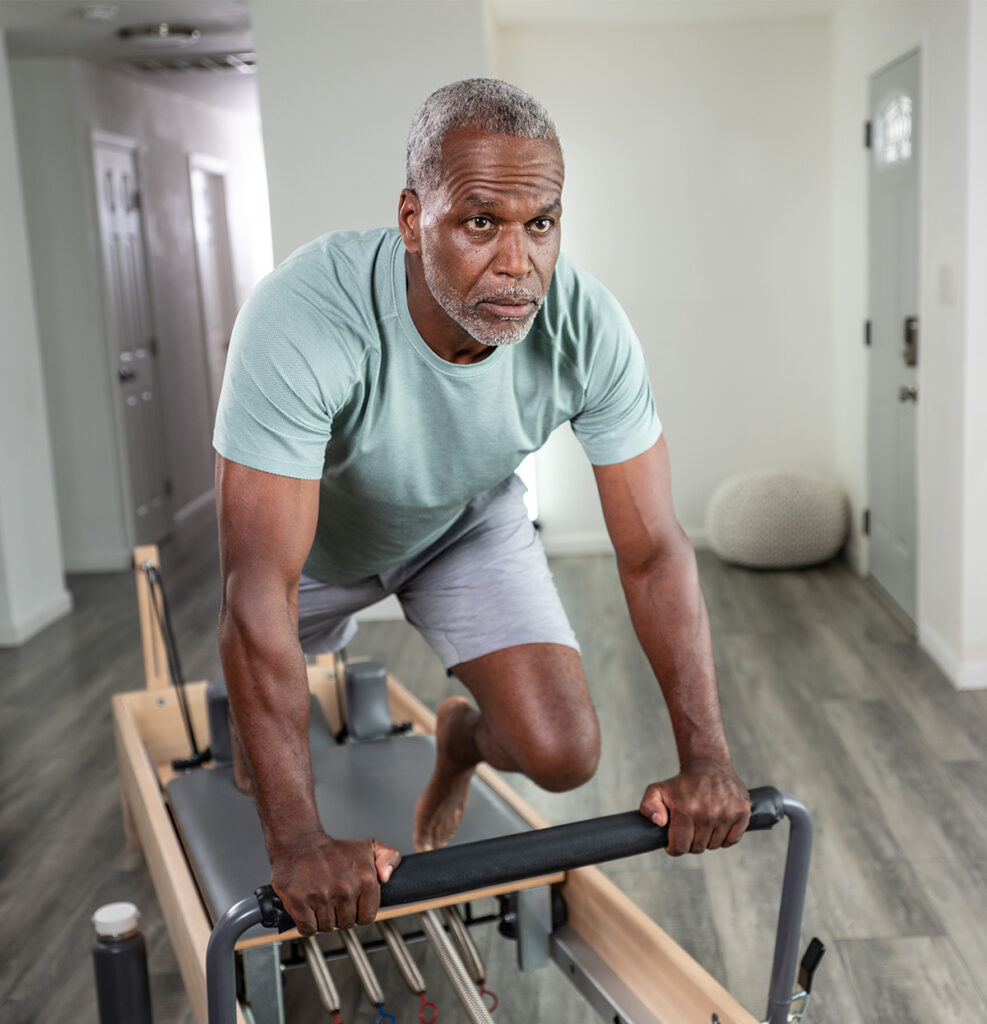
When Staying the Same is Good Enough
By Gwen Miller Years ago, I was teaching a lovely couple in their late seventies. At one point, attempting to be cheerful, when changing sides for an exercise I told them to “hop off the long box or just spin around to the other side.” The gent snorted and said something to the effect of…
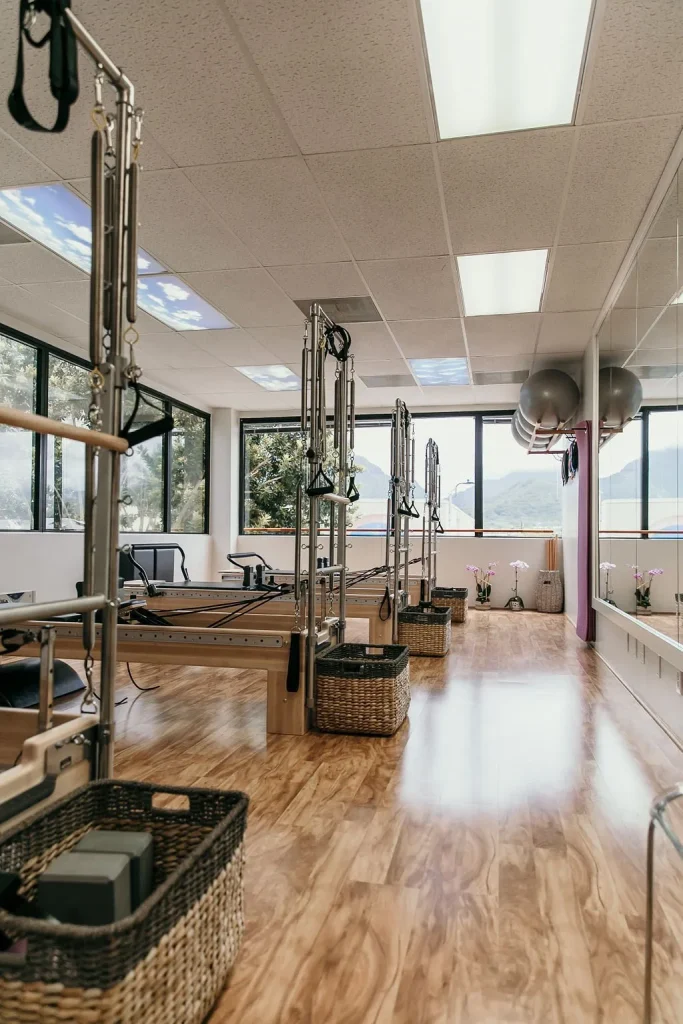
Hana Pono Wellness Center: Weekend Event and Workshop
Hana Pono Wellness Center is excited to announce upcoming weekend event and workshops with Pilates, yoga and fitness educator, integrated movement therapist, and author Gwen Miller Friday 10/20 Book Signing/meet and greet5pm–7pm Bottleheads, 315 Uluniu St. #102, Kailua, HI (In Kailua Square) Meet the author, ask questions, get your book signed! All proceeds from book…
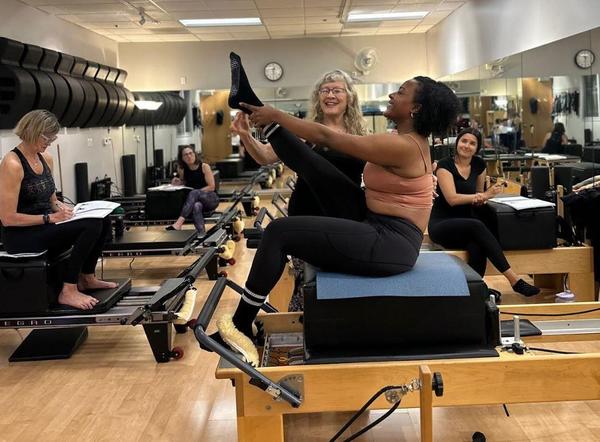
Common Myths About Working with Hypermobility – Part I
by Gwen Miller Hypermobility is often used as a descriptive term for someone who has greater than “normal” range of motion in some or all of the joints of their body. Someone who is hypermobile does not necessarily have pain or instability. Hypermobility Syndrome and Joint Hypermobility Syndrome are diagnoses that are now referred to…
Safe Movement for All Spines a Resource for Teachers and a Guide for Everyone
Safe Movement for All Spines a Resource for Teachers and a Guide for Everyone Available Now! You can follow me on Amazon for updates on the book. Order your copy now from these booksellers: Amazon NAB Penguin Random House Barnes & Noble Bookshop.org Books-a-million Powell’s Please contact me if you are interested in the course…